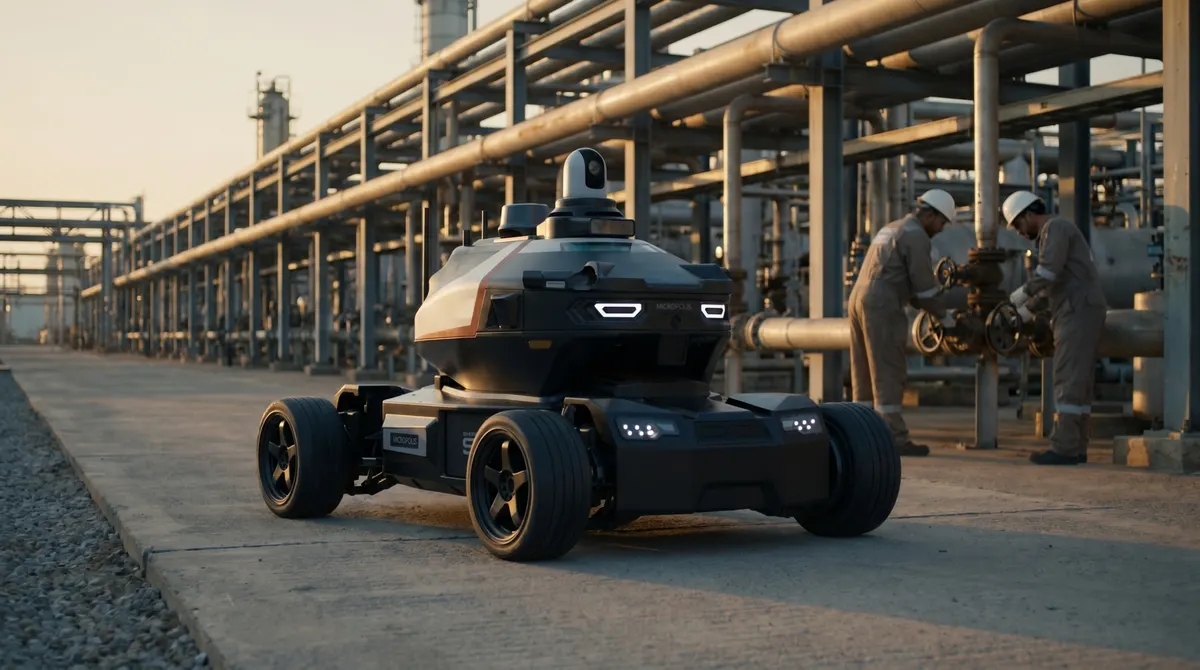
What do the three customers make with the machines?
MicroPolis Robotics in Dubai used the S600DL to make a structural part for an autonomous patrol vehicle. According to the report, mass fell from 27 kg to 4 kg and delivery from seven days to two, without dedicated tooling.
Edser in Spain makes insoles, sandals, braces and other custom orthotics on the same dual-laser platform. Because each patient needs a different shape, SLS avoids a separate mould per person, and the large chamber lets several products share a build.
Which machines and materials are involved?
The S600DL has two 140 W CO2 lasers and a 600 x 600 x 800 mm build volume. Edser pairs it with a powder-processing station and uses PP Pro polypropylene powder, chosen because it behaves much like the polypropylene already used in its insoles. TPM3D states that custom insoles can reach the customer in about four days, starting from a digital foot scan.
cirp, a service provider in Stuttgart, added the S480 (480 x 480 x 600 mm, up to 20 kg of finished parts per build) to expand capacity for small-batch automotive work. It prints housings and sealing components for vehicles, runs PA11, and uses TPM3D's powder station for recovery, mixing and supply.
What is TPM3D's strategy and what comes next?
TPM3D traces its roots to 1999 and built its first own industrial SLS system in 2007. It stays focused on polymer SLS, with S and P series for industry and a newer C series for smaller users. It also develops powders and sells powder-handling and post-processing equipment, and serves Europe and other regions through resellers. In 2025 it finished a 9,800 square metre factory in Hefei.
At Formnext, held 17 to 20 November in Frankfurt, it will show the CF250+PPS250 compact system, launched in China earlier this year, alongside applications in robotics, footwear, automotive and rehabilitation.