A Hackaday article compares PETG and PLA filament for FDM, covering polymer chemistry, degradation and recycling. The author also printed a cable chain from an undried PETG spool bought in March 2023 and stored carelessly. The print came out cleanly, with no brittleness and no stringing, which fits the literature on PETG stability.
Key facts
Test spool: clear PETG bought March 2023, stored in a resealable bag
Printed undried on a Neptune 4 without the auxiliary fan
Result: clean cable chain, no brittleness, no stringing
PETG still absorbs moisture and can hydrolyse, but slowly
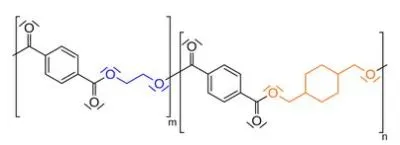
Context PETG is a PET copolymer in which part of the ethylene glycol is replaced by another monomer, usually cyclohexanedimethanol (CHDM), which makes it tougher and more transparent.
What makes PETG different from PET and PLA?
PET and PLA are both polyesters. PETG is a copolymer in which part of the ethylene glycol is replaced by a third monomer, usually cyclohexanedimethanol (CHDM). Related variants follow from the CHDM share: PCT uses CHDM instead of ethylene glycol, and PCTG has more than 50 % CHDM. PETG is typically chosen for transparency and toughness, which is why bottles are often PETG as well.
How stable is PETG over time?
The author notes that PLA turns brittle through rising crystallisation and hydrolysis of its polymer backbone. PETG has a much better reputation and is usually considered basically immune to brittleness. It still absorbs moisture and, as a polyester, can hydrolyse, though the cited literature describes hydrolytic cleavage of PET chains as very slow at neutral pH and faster in acidic conditions. Photo-oxidation and thermal degradation also occur, the latter at temperatures above those relevant for PLA.
What happened with the old spool?
The author used a clear PETG spool bought in March 2023, kept for a long time on a printer's spool holder and then in a resealable bag with an old desiccant pack. It was not dried. After cutting off a damaged filament tip, a cable chain printed on a Neptune 4 came out cleanly with big overhangs, and the parts clipped together without brittleness. Some oozing at the start disappeared after a few minutes. The author suggests the auxiliary cooling fan should have been on, since PETG prefers cooler conditions than PLA.
What about recycled PET?
Recycled PET waste is a mixed feedstock, since the share of other polymers is uncertain. A 2024 study in Materials on a PET-PETG blend with PET film waste found an elastomer additive necessary to prevent brittleness.
What it means
This is a single-spool anecdote from a hobby setting, not a materials qualification, and it should not be read as data for production parts. For manufacturers, the practical point is about handling: a filament that tolerates storage lapses reduces scrap and troubleshooting time in prototyping and tooling. Moisture control and documented storage still matter wherever parts must be repeatable or certified.
Frequently asked questions
Does PETG become brittle like PLA?
According to the article, PETG is usually considered basically immune to brittleness, unlike PLA. It still absorbs moisture and can hydrolyse, but the cited literature describes this as very slow at neutral pH.
Did the author dry the old PETG spool before printing?
No. The spool from March 2023 was printed undried, and the cable chain came out cleanly without stringing or brittleness.